Hidden Stories, Powerful Legacies
The History of Women’s Spaces and Why They Still Matter
When we think about history, we’re often taught about presidents, wars, and major court cases. What we’re not always taught is how women — especially Black women — created powerful spaces of their own long before they were welcomed into mainstream ones.
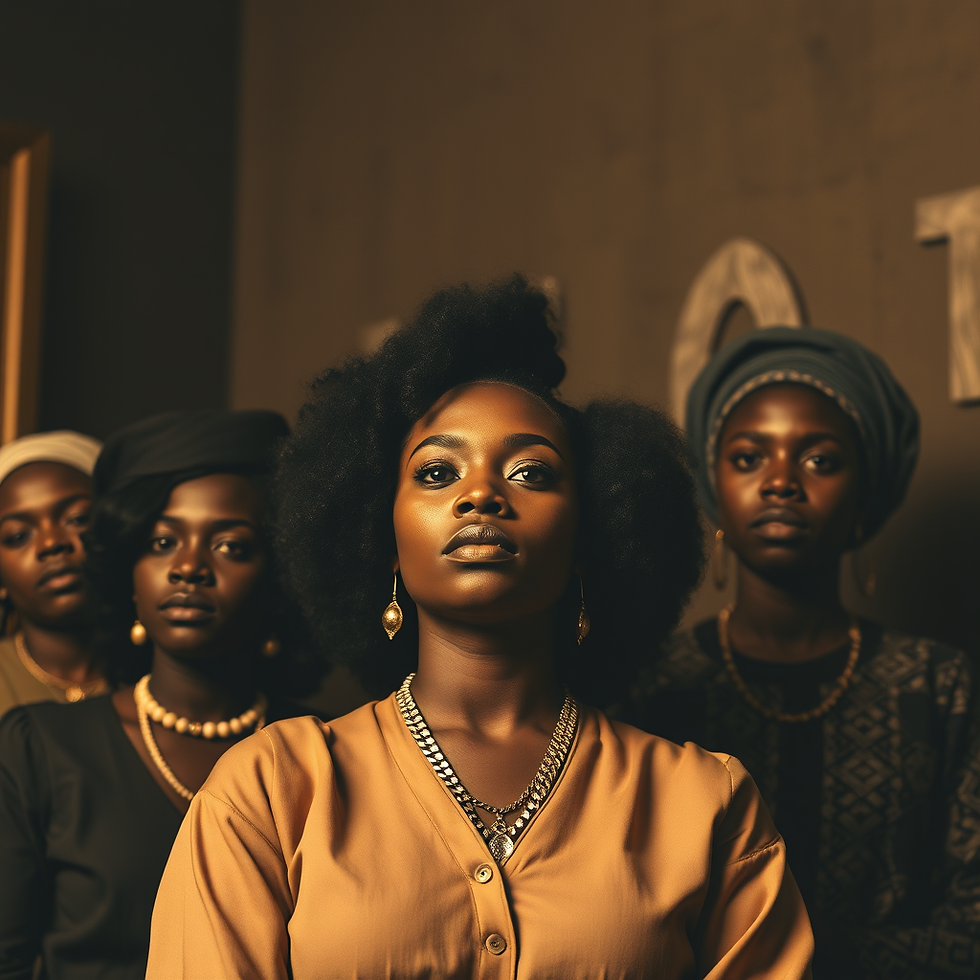
In the late 1800s, Black women began forming clubs and organizations not because it was trendy, but because it was necessary. They were excluded from many institutions, so they built their own.
In 1896, the National Association of Colored Women (NACW) was founded through the merger of two major Black women’s organizations. Led by women like Mary Church Terrell and Josephine St. Pierre Ruffin, the organization adopted the motto “Lifting as We Climb.” Their work focused on education, civil rights advocacy, anti-lynching efforts, healthcare access, and economic opportunity.
These weren’t just social gatherings. They were strategy rooms. Support systems. Leadership incubators. Safe spaces for women to speak openly, organize collectively, and push for change in a society that often ignored them.
Later, during the Civil Rights Movement, organizers like Ella Baker emphasized grassroots leadership and community empowerment. She believed strong movements were built from the ground up — not centered around one voice, but strengthened by many. Her philosophy reinforced something women’s spaces had already demonstrated for decades: when people gather with intention, transformation happens.
What makes this history powerful is that these spaces were not created solely for survival. They were created for growth, dignity, and advancement. They allowed women to develop confidence, leadership skills, and collective strength.
And that legacy did not disappear.
The women’s clubs and organizing spaces of the past laid the foundation for the sister circles, mentorship programs, leadership groups, and community-based organizations we see today. The idea of creating intentional spaces for women and girls to grow did not appear out of nowhere — it was built by generations who understood that environment shapes opportunity.
Spaces matter.
Representation matters.
Community matters.
When girls come together in supportive spaces, they gain more than skills. They gain confidence. Identity. Perspective. They gain the reassurance that they are not navigating life alone.
Programs and organizations today — including InspireHer Studios — exist because of that foundation. Creating space for girls to feel seen, heard, and acknowledged is not a trend. It is a continuation of a powerful legacy.
This February, as we honor Black History, we also honor the women who built rooms we now have the privilege to sit in. Their work reminds us that empowerment has always been collective — and the story is still being written.

Comments